Xpert® MRSA NxG (10-test kit)
GXMRSA-NXG-10
Unit price
Subtotal
Product is not available for purchase in your region.


Cepheid’s Solutions
Testing Everywhere

Cepheid’s Insights
Cepheid RADAR

Support Center
Contact Us

About Cepheid
Mission and History
Our Leadership
Events
Distributors
News
Xpert® MRSA NxG (10-test kit)
GXMRSA-NXG-10
Unit price
Subtotal
Product is not available for purchase in your region.
Collection devices
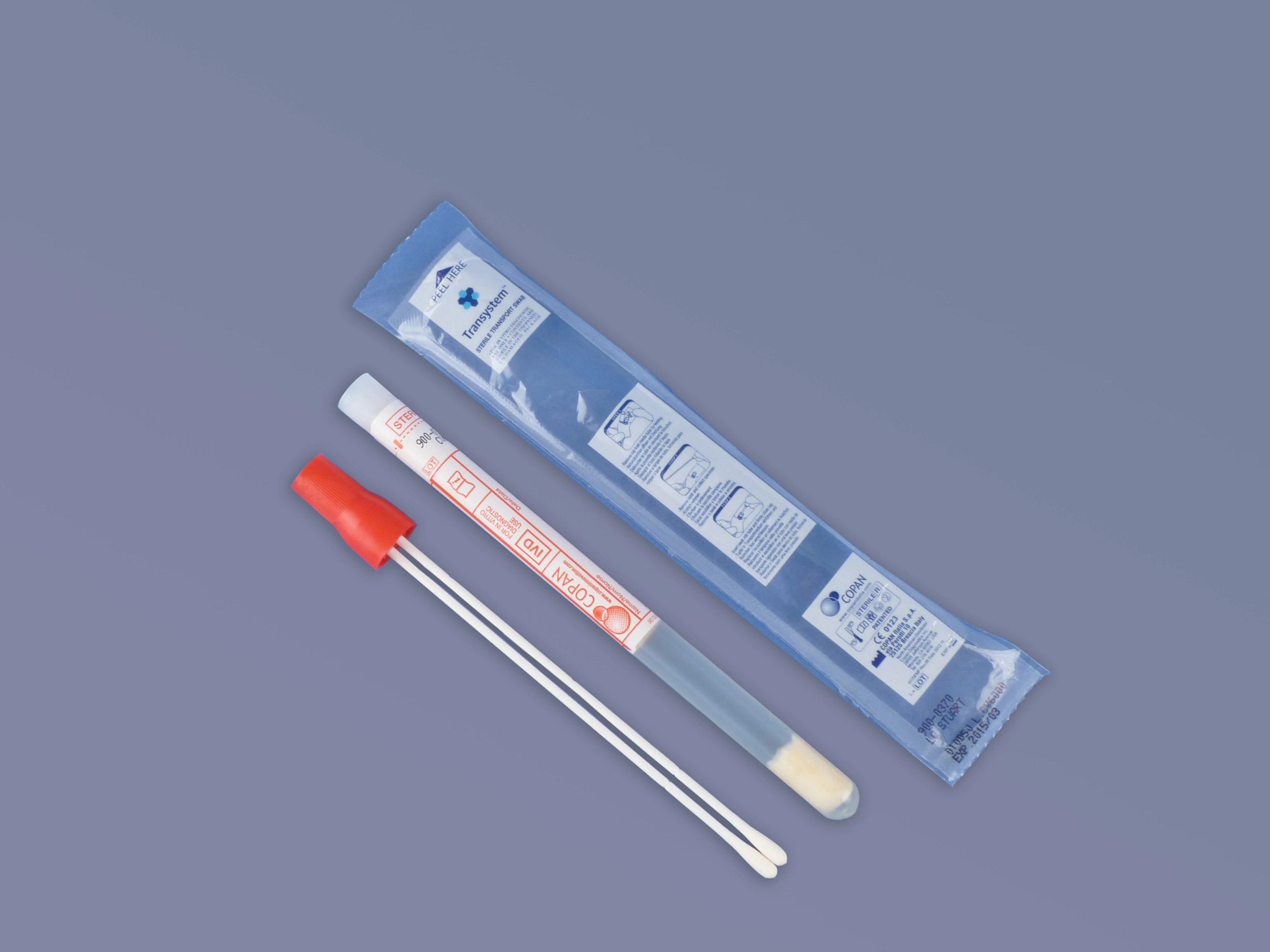
Collection Device (Pack of 50)
900-0370
Unit price
Subtotal
Product is not available for purchase in your region.
Total
({{currency}})
0
Test Menu
eng
Package Insert
eng
Package Insert
eng
MSDS/SDS
eng
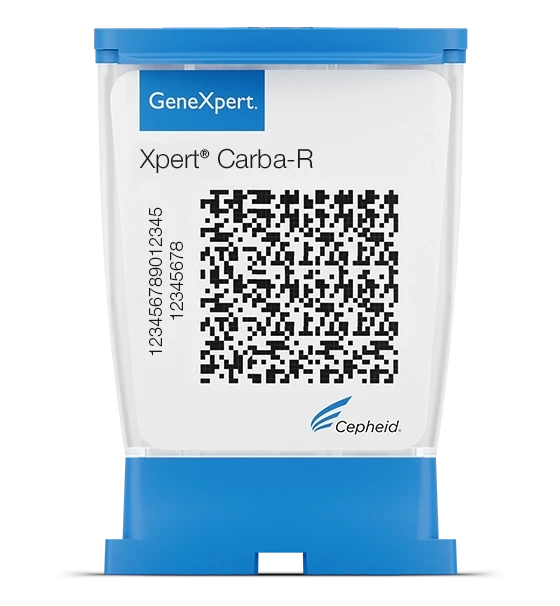
GXCARBAR-10
Detection and differentiation of KPC, NDM, VIM, IMP-1, and OXA-48 in 50 minutes
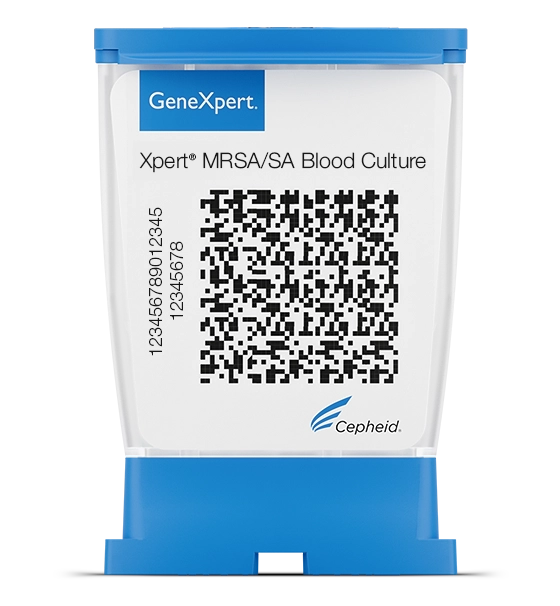
GXMRSA/SA-BC-10
MRSA and S. aureus detection from gram-positive blood culture samples in 62 minutes
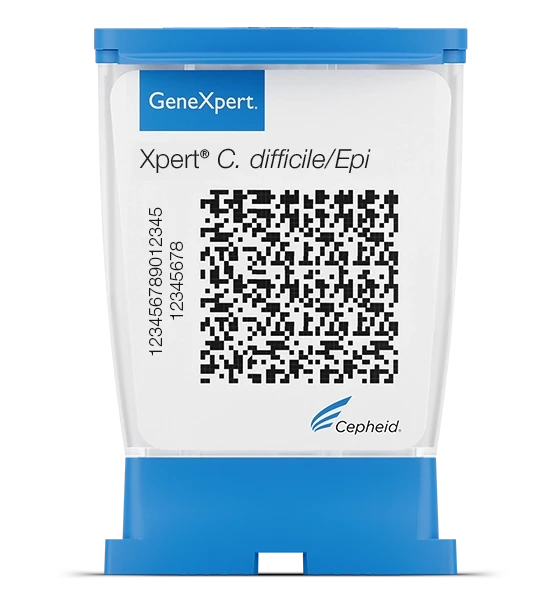
GXCDIFF/EPI-10
Detection and differentiation of C. difficile & the epidemic 027 strain in <45 minutes
1. What is Xpert® MRSA NxG test intended for?
1. What is Xpert® MRSA NxG test intended for?
Xpert MRSA NxG is a qualitative in vitro diagnostic test intended for the detection of methicillin-resistant Staphylococcus aureus (MRSA) DNA directly from nasal swabs in patients at risk for nasal colonization.1
2. How is the Xpert® MRSA NxG test performed?
2. How is the Xpert® MRSA NxG test performed?
Xpert® MRSA NxG utilizes automated real-time polymerase chain reaction (PCR) for the amplification of MRSA specific DNA targets and fluorogenic target-specific hybridization probes for the real-time detection of the amplified DNA. The Xpert MRSA NxG test is intended to aid in the prevention and control of MRSA infections in healthcare settings. 1
3. Is the Xpert MRSA NxG test intended to diagnose MRSA infections?
3. Is the Xpert MRSA NxG test intended to diagnose MRSA infections?
The Xpert MRSA NxG test is not intended to diagnose, guide, or monitor treatment for MRSA infections, or provide results of susceptibility to methicillin. A negative result does not preclude MRSA nasal colonization. Concomitant cultures are necessary to recover organisms for epidemiological typing or for further susceptibility testing. 1
4. What is Staphylococcus aureus (SA) and MRSA?
4. What is Staphylococcus aureus (SA) and MRSA?
Staphylococcus aureus (SA) is a human pathogen, which is the causative agent of a range of diseases including bacteremia, endocarditis, osteomyelitis, toxic shock syndrome, food poisoning, carbuncles, and boils.1
In the early 1950s, acquisition and spread of beta-lactamase-producing plasmids thwarted the effectiveness of penicillin for treating SA infections. In 1959, methicillin, a semi-synthetic penicillin, was introduced and, soon after, methicillin-resistant SA (MRSA) strains were identified.1
References:
1. Xpert® MRSA NxG Package Insert.
View our additional portals to find documents and resources not listed here.
View and download documents associated with your tests and instruments
View our self-help articles, create a case, or view contact information.