Xpert® MRSA/SA BC (Kit da 10 test)
GXMRSA/SABC-CE-10
Prezzo unitario
Subtotale
Il prodotto non è disponibile per l’acquisto nella tua regione.


Le soluzioni di Cepheid
Accesso ai test ovunque
Utilizzo degli antibiotici

Cepheid’s Insights
Webinar
Cepheid RADAR

Support Center
Contatti

Informazioni su Cepheid
Missione e storia
La nostra leadership
Eventi
Distributori
Opportunità di sviluppo aziendale
Innovazione con Cepheid
Presentazione della moto Cepheid
Novità
Opportunità di lavoro
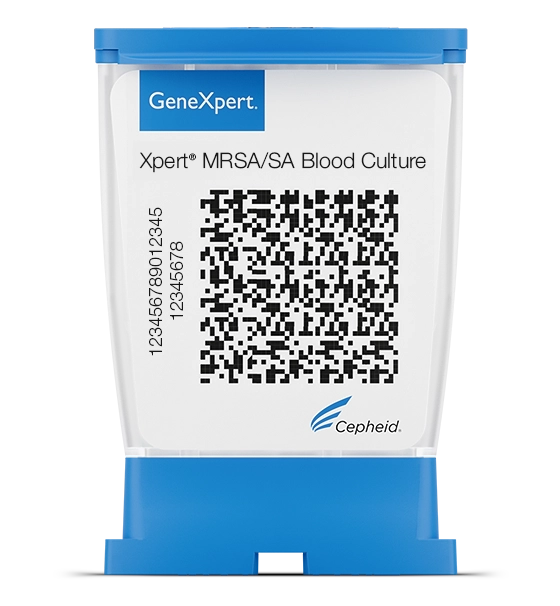
Xpert® MRSA/SA BC (Kit da 10 test)
GXMRSA/SABC-CE-10
Prezzo unitario
Subtotale
Il prodotto non è disponibile per l’acquisto nella tua regione.
Totale
({{currency}})
0
Menu di prova
ita
Menu di prova
eng
Scheda tecnica
eng
MSDS/SDS
eng
MSDS/SDS
ita
MSDS/SDS
eng

GXNOV-CE-10
Identificazione rapida e accurata dei norovirus dei genogruppi GI e GII in appena un’ora* *Con termine anticipato del saggio (Early Assay Termination, EAT) per i risultati positivi. Refertazione dei risultati negativi in 90 minuti.
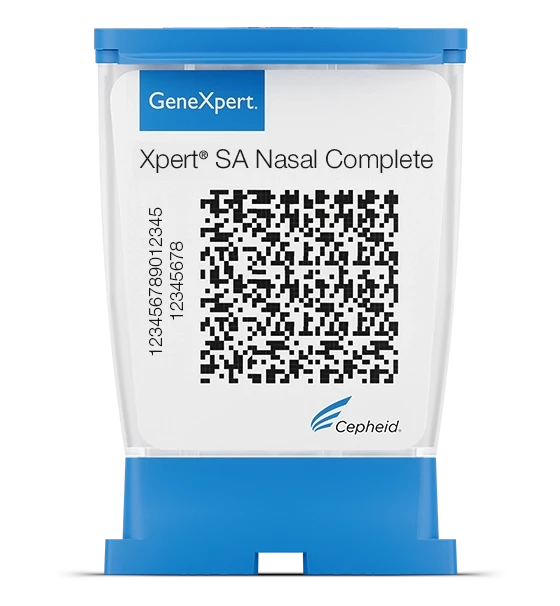
GXSACOMP-CE-10
S. aureus e MRSA preoperatorio in circa 65 minuti

GXMRSA/SA-SSTI-CE
Rilevamento di MRSA e SA nelle infezioni della cute e dei tessuti molli in circa un’ora
1. What is the Xpert® MRSA/SA Blood Culture test?
1. What is the Xpert® MRSA/SA Blood Culture test?
The Xpert® MRSA/SA Blood Culture test, performed on the GeneXpert® systems, is a qualitative in vitro diagnostic test intended for the detection of Staphylococcus aureus (SA) and methicillin-resistant Staphylococcus aureus (MRSA) DNA directly from positive blood cultures.1
2. How does the Xpert® MRSA/SA Blood Culture test work?
2. How does the Xpert® MRSA/SA Blood Culture test work?
The test utilizes automated real-time polymerase chain reaction (PCR) to detect MRSA/SA DNA.1
3. What is the indicated use for the Xpert MRSA/SA Blood Culture test?
3. What is the indicated use for the Xpert MRSA/SA Blood Culture test?
The Xpert MRSA/SA Blood Culture test is indicated for use in conjunction with other laboratory tests, such as culture, and clinical data available to the clinician as an aid in the detection of MRSA/SA from positive blood cultures. Subculturing of positive blood cultures is necessary to recover organisms for susceptibility testing or for epidemiological typing. The Cepheid Xpert MRSA/SA Blood Culture test is not intended to monitor treatment for MRSA/SA infections.1
4. What is Staphylococcus aureus (SA) and MRSA?
4. What is Staphylococcus aureus (SA) and MRSA?
Staphylococcus aureus (SA) is a major nosocomial pathogen that causes a range of diseases including endocarditis, osteomyelitis, toxic shock syndrome, food poisoning, carbuncles and boils.1
In the early 1950s, acquisition and spread of beta-lactamase-producing plasmids thwarted the effectiveness of penicillin for treating SA infections. In 1959, methicillin, a semi-synthetic penicillin, was introduced and, soon after, methicillin-resistant SA (MRSA) strains were identified.1
Riferimenti bibliografici:
1. Xpert® MRSA/SA Blood Culture Package Insert.
Visualizza i nostri portali aggiuntivi per trovare documenti e risorse non elencati qui.
Visualizza i nostri articoli sull’autoassistenza, crea un caso o visualizza le informazioni per contattarci.