Pathogen Info
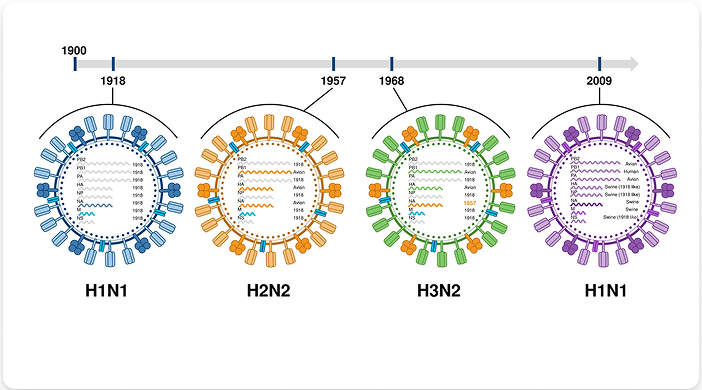
Influenza viruses are classified into types A, B, and C, the former two of which cause the most human infections. Influenza A (Flu A) is the most common type of influenza virus in humans and is generally responsible for seasonal flu epidemics and potential pandemics. Flu A viruses can also infect animals such as birds, pigs, and horses. Flu A viruses are further divided into subtypes based on two surface proteins: hemagglutinin (H) and neuraminidase (N). Seasonal flu is normally caused by influenza A subtypes H1, H2, H3, N1 and N2. Infections with influenza B (Flu B) virus are generally restricted to humans and less frequently cause epidemics.
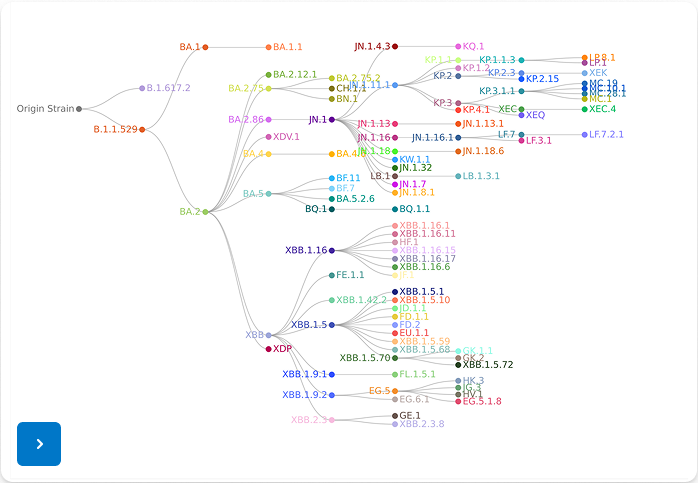
Influenza viruses are RNA viruses that rely on error-prone RNA-dependent RNA polymerases (RdRps) for replication. This allows for the accumulation of mutations in the viral genome, known as genetic drift. Over time, these mutations can be positively selected for if they confer a fitness advantage for the virus, such as increased transmissibility.
Recombination is another mechanism for genetic change, involving the exchange of relatively large segments of genetic material between two co-infecting, genetically distinct viruses. Recombination has the potential to result in new, antigenically distinct viruses responsible for epidemics and even global pandemics.
These mutations and recombination events may also impact the performance of molecular-based diagnostic tests that require the detection of specific nucleic acid sequences. This has been demonstrated for both influenza A virus1.2 and SARS-CoV-23. For this reason, molecular tests should be designed to detect highly conserved genetic sequences or detect multiple genetic sequences for redundancy in the case of impactful mutations in one target2 (M. Landry).
“Monitoring the genetic drift of circulating viruses (and other microorganisms) and updating primer and/or probes is necessary to ensure continued reliable performance of diagnostic RT-PCR assays.”1







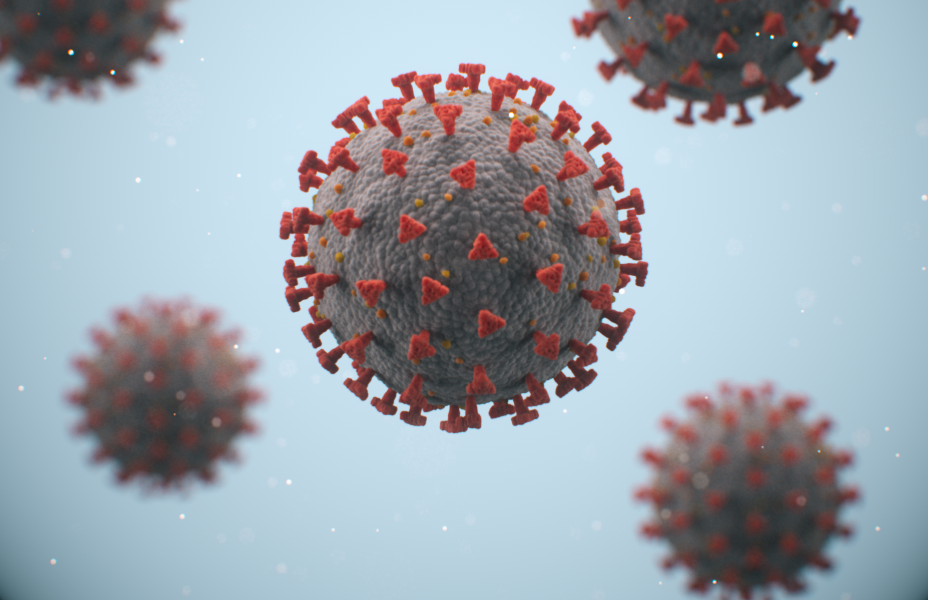


 SARS-CoV-2
 E gene