Xpert® MRSA NxG (kit de 10 tests)
GXMRSA-NXG-10
Prix unitaire
Sous-total
Le produit n’est pas disponible à l’achat dans votre région.


Solutions de Cepheid
Gérance des antibiotiques
Tests en laboratoire partout

Cepheid’s Insights
Cepheid RADAR

Support Center
Reimbursement Guidelines
Nous joindre

À propos de Cepheid
Mission et histoire
Notre leadership
Événements
Distributeurs
Innover avec Cepheid
Nouvelles
Xpert® MRSA NxG (kit de 10 tests)
GXMRSA-NXG-10
Prix unitaire
Sous-total
Le produit n’est pas disponible à l’achat dans votre région.
Dispositifs de prélèvement
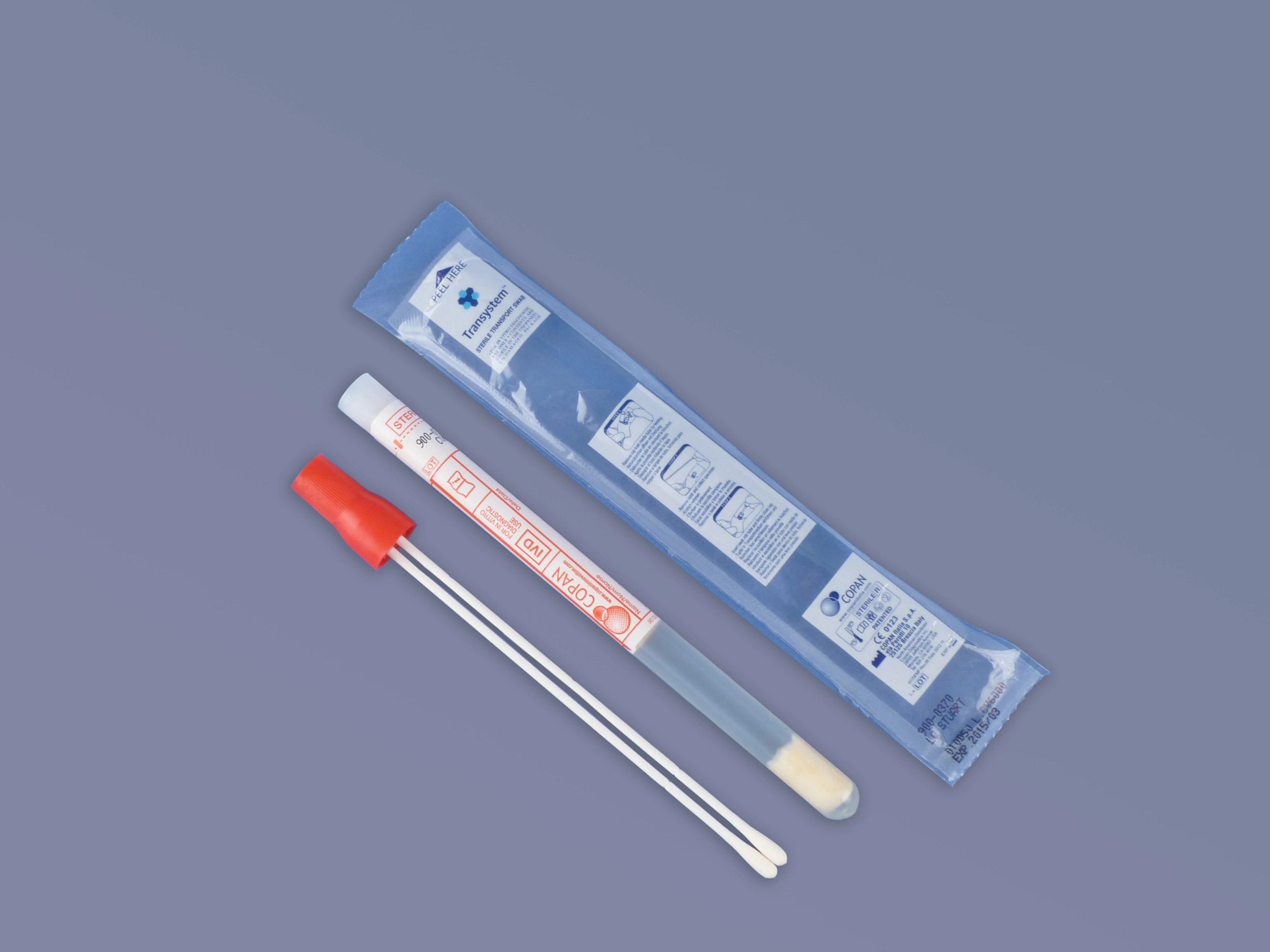
Dispositif de prélèvement (boîte de 50)
900-0370
Prix unitaire
Sous-total
Le produit n’est pas disponible à l’achat dans votre région.
Total
({{currency}})
0
Menu de tests
eng
Notice d’utilisation
eng
Notice d’utilisation
eng
MSDS/FDS
eng
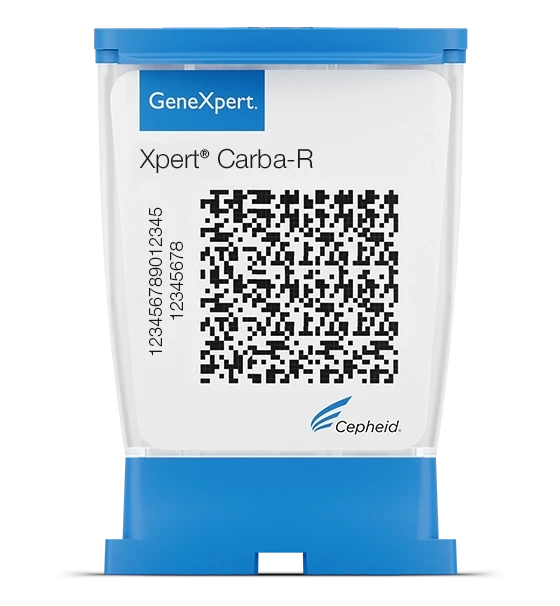
GXCARBAR-CE-10
Détection et différenciation de KPC, NDM, VIM, IMP-1 et OXA-48 en 50 minutes
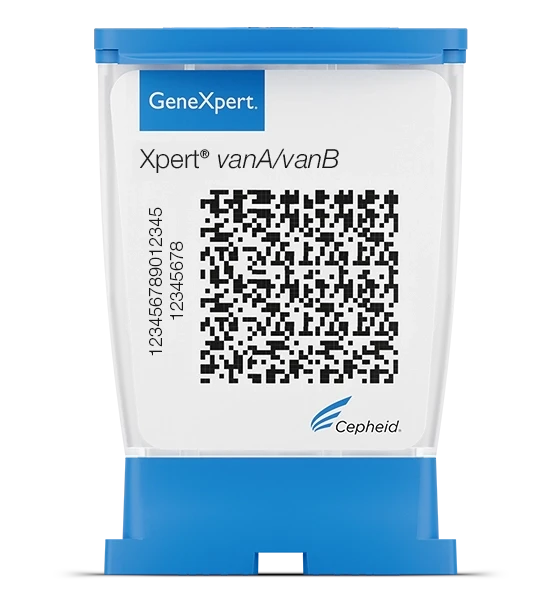
GXVANA/B-CE-10
Dépistage rapide des ERV pour la prévention et le contrôle actifs des épidémies en 48minutes environ
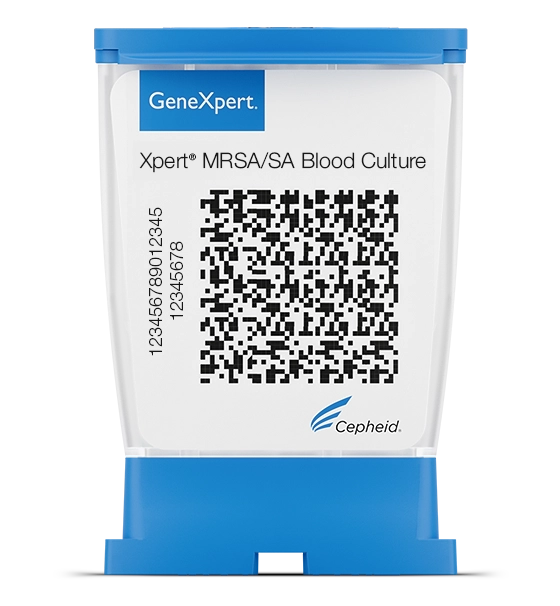
GXMRSA/SA-BC-10
Détection précise de SARM et de S. aureus à partir d’échantillons d’hémoculture positifs en une heure environ
1. What is Xpert® MRSA NxG test intended for?
1. What is Xpert® MRSA NxG test intended for?
Xpert MRSA NxG is a qualitative in vitro diagnostic test intended for the detection of methicillin-resistant Staphylococcus aureus (MRSA) DNA directly from nasal swabs in patients at risk for nasal colonization.1
2. How is the Xpert® MRSA NxG test performed?
2. How is the Xpert® MRSA NxG test performed?
Xpert® MRSA NxG utilizes automated real-time polymerase chain reaction (PCR) for the amplification of MRSA specific DNA targets and fluorogenic target-specific hybridization probes for the real-time detection of the amplified DNA. The Xpert MRSA NxG test is intended to aid in the prevention and control of MRSA infections in healthcare settings. 1
3. Is the Xpert MRSA NxG test intended to diagnose MRSA infections?
3. Is the Xpert MRSA NxG test intended to diagnose MRSA infections?
The Xpert MRSA NxG test is not intended to diagnose, guide, or monitor treatment for MRSA infections, or provide results of susceptibility to methicillin. A negative result does not preclude MRSA nasal colonization. Concomitant cultures are necessary to recover organisms for epidemiological typing or for further susceptibility testing. 1
4. What is Staphylococcus aureus (SA) and MRSA?
4. What is Staphylococcus aureus (SA) and MRSA?
Staphylococcus aureus (SA) is a human pathogen, which is the causative agent of a range of diseases including bacteremia, endocarditis, osteomyelitis, toxic shock syndrome, food poisoning, carbuncles, and boils.1
In the early 1950s, acquisition and spread of beta-lactamase-producing plasmids thwarted the effectiveness of penicillin for treating SA infections. In 1959, methicillin, a semi-synthetic penicillin, was introduced and, soon after, methicillin-resistant SA (MRSA) strains were identified.1
Références :
1. Xpert® MRSA NxG Package Insert.
Consultez nos portails supplémentaires pour trouver des documents et des ressources qui ne sont pas énumérés ici.
Consultez et téléchargez les documents associés à vos tests et instruments
Consultez nos articles d’auto-assistance, créez un cas ou consultez les coordonnées.