
Xpert® SA Nasal Complete
Detection of S. aureus and MRSA in about 65 minutes
Sign in or create a MyCepheid account to add items to cart
Test pack size(s)
product image
10 Tests
GXSACOMP-CE-10
Qty
Unit price
Subtotal
USD
Product is not available for purchase in your region.
Collection devices
product image
Collection Device (Pack of 50)
900-0370
Qty
Unit price
Subtotal
USD
Product is not available for purchase in your region.
Total
{{currency}}
0
Error adding items to cart. If this error persists, please contact Digital Support

The Need

  • Up to 30% of the population is asymptomatically colonized with S. aureus1
  • S. aureus colonization is associated with an increased risk of severe infections, including surgical‑site and non‑surgical infections, which contribute to increased morbidity and mortality1
  • Perioperative therapeutic strategies vary depending on colonization of MRSA or MSSA2
(1) Kluytmans J, et al. Nasal carriage of Staphylococcus aureus: epidemiology, underlying mechanisms, and associated risks. Clin Microbiol Rev. 1997 Jul;10(3):505-20.
(2) Piraino B. Staphylococcus aureus infections in dialysis patients: focus on prevention. ASAIO J. 2000 Nov-Dec;46(6):S13-7.

The Solution

  • Xpert SA Nasal Complete is a qualitative in vitro diagnostic test designed for the detection of S. aureus and methicillin-resistant S. aureus (MRSA) from nasal swabs in patients at risk for nasal colonization
  • Identification of S. aureus nasal carriers can support implementation of infection control strategies

The Impact

  • Reliable detection of S. aureus and MRSA supports infection control and surveillance activities in healthcare settings4
  • Published studies have demonstrated that MRSA infections are associated with increased healthcare costs5
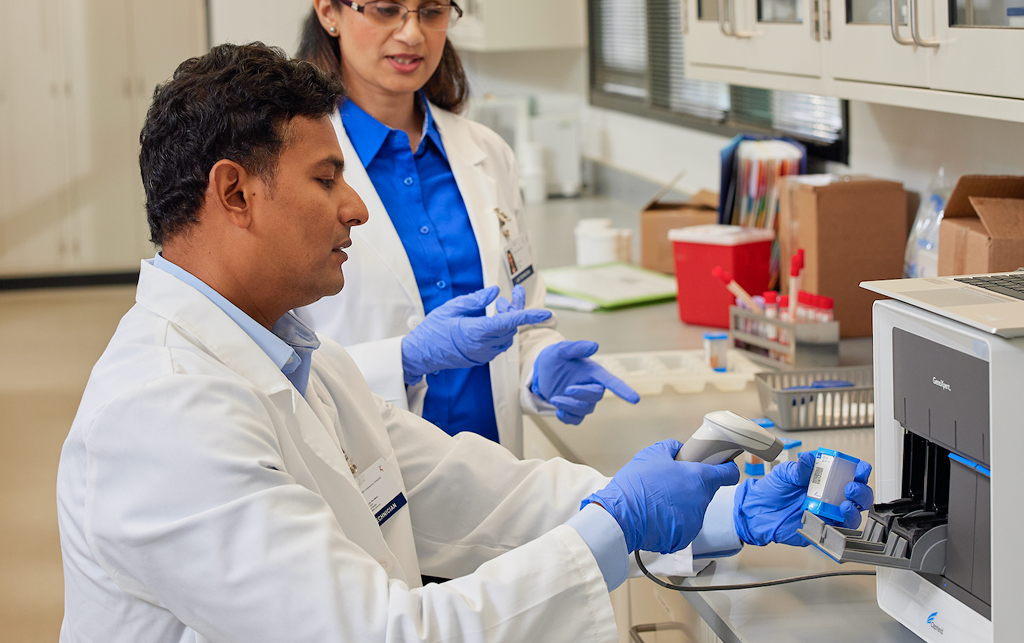
  • Minutes of hands-on time with results in about 1 hour on a random-access platform
(3) Critchley IA. Eradication of MRSA nasal colonization as a strategy for infection prevention. Drug Discov. Today. 2006;3(2):189-95.
(4) Yu VL, et al. Staphylococcus aureus nasal carriage and infection in patients on hemodialysis. Efficacy of antibiotic prophylaxis. N Engl J Med. 1986 Jul 10;315(2):91-6.
(5) Murphy D, et al. Dispelling the Myths: The True Cost of Healthcare-Associated Infections. An APIC Briefing. 2007 Feb. Accessed May 2020. http://www.thainapci.org/download-guideline-6.pdf/
(6) Engemann JJ, et al. Adverse clinical and economic outcomes attributable to methicillin resistance among patients with Staphylococcus aureus surgical site infection. Clin Infect Dis. 2003 Mar 1;36(5):592-8. Epub 2003 Feb 7.
(7) Anderson, DJ. Clinical and Financial Outcomes Due to Methicillin Resistant Staphylococcus aureus Surgical Site Infection: A Multi-Center Matched Outcomes Study. PLOS One. 2009 Dec 15. Accessed May 2020. https://journals.plos.org/plosone/article?id=10.1371/journal.pone.0008305
(8) Bode LG, et al. Preventing Surgical-Site Infections in Nasal Carriers of Staphylococcus aureus. N Engl J Med. 2010 Jan 7;362:9-17.
(9) Mackie DP, et al. Reduction in Staphylococcus aureus wound colonization using nasal mupirocin and selective decontamination of the digestive tract in extensive burns. Burns. 1994;20 Suppl 1:S14-7; discussion S17-8.
(10) Kooistra-Smid M, et al. Molecular epidemiology of Staphylococcus aureus colonization in a burn center. Burns. 2004 Feb;30(1):27-33.
(11) Noskin GA, et al. The Burden of Staphylococcus aureus Infections on Hospitals in the United States. Arch Intern Med.2005;165(15):1756–1761.