




Patients Come First.

Main Menu
-
Solutions
Back
Cepheid’s Solutions
-
Global Access
-
Antibiotic Stewardship
-
Customized Menu and Scalability
-
Testing Everywhere
Back
Testing Everywhere
-
Knowing MORE Matters
-
Workflow and Connectivity
-
-
Insights
Back
Cepheid’s Insights
-
Webinars
-
Cepheid RADAR
Back
Cepheid RADAR
-
Support
Back
Support Center
-
Documents & Technical Resources
-
Troubleshooting and How-tos
-
MyCepheid and Order Support
-
Reimbursement Guidelines
-
Contact Us
Back
Contact Us
-
-
About Us
Back
About Cepheid
-
Mission and History
Back
Mission and History
-
Our Leadership
Back
Our Leadership
-
Events
Back
Events
-
Sustainability
-
Reimbursement Support
-
Distributors
Back
Distributors
-
Government Partnerships
-
Business Development Opportunities
-
Innovate with Cepheid
-
Meet the Cepheid Bike
-
News
Back
News
-
Select your area of expertise

Global Public Health
Cepheid's Global Access Program centers on the belief that everyone, everywhere should have access to high quality diagnostic tests.
Better Answers Lead to Better Outcomes.
One System. Many Tests.
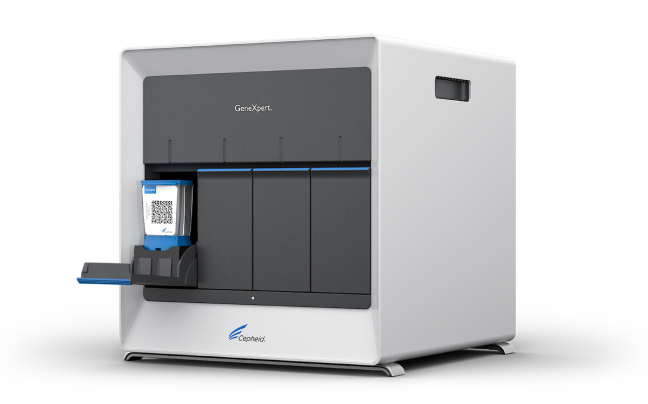
Cepheid's GeneXpert® System is a flexible, fully scalable platform that provides healthcare professionals with a broad test menu for any setting — from the core lab to near patient applications. Find out why Cepheid's solutions are a top choice for fast, accurate, and easy diagnostic testing.
The Tools to Progress
Our education, resources, and tools can help you pave the way toward continuous success, no matter where you go.